


Aiming for what would be just a fifth northern hemisphere clean sweep in their legendary past, the New Zealand side have traveled to Europe at an crucial period.
Fixtures against Ireland, Scotland, England and Wales await Scott Robertson's side across the next four weekends but, in addition to the chance to equal the squads of 1978, 2005, 2008 and 2010 in the annals of rugby, the fixtures will be used as a yardstick to evaluate the progress of the side under a head coach now 24 months into from beginning his tenure.
Team Issues
Doubts over a absence of an identifiable style, ongoing discussions over team picks and departures from the backroom staff have all contributed to the sense that the most recognisable team in the game is currently one in a state of flux.
Most pertinently, it is the decline in outcomes from a past excellence set between the global tournaments of the last decade that has led some to speculate that we have evolved beyond of the age of All Black exceptionalism.
Past Performance
Prior to their departure for the European tour, it was confirmed that during the following season, in the non-existence of the southern hemisphere competition, New Zealand will play South Africa in a warm-weather tour dubbed 'a unique competition'.
Historically the sport's top competitors, there is little doubt over who has recently got the better of what organizers have called 'The Ultimate Contest'.
Over the past seven years, the South African team have won a couple of global tournaments, three Rugby Championships and a tour against the home nations team to be viewed as the team of their generation.
The All Blacks have persisted to beat the Irish team when it matters most, overcoming this weekend's rivals in the tournament knockout stages of recent years. They have, meanwhile, been defeated in just two of the recent encounters with the English team, have defeated Wales in every encounter since 1963 and have always been victorious by Scotland.
Changing Dynamics
But the decline of their status as the game's gold standard will remain frustrating.
While the All Blacks dominated through the previous decade - securing 87% of their international games, as well as winning the World Cup on multiple times - the global tournament of the previous competition can now be seen as when the competitive landscape changed in the international rugby.
New Zealand beat South Africa in their initial fixture of the competition in Japan, but it was the South Africans who were ultimately triumphant in the final.
Since then, the New Zealand's winning percentage has fallen to seventy-one percent. The Springboks themselves lost 10 of their following games but, since the start of 2023, have achieved victory at a frequency (eighty-three percent) to rival even the last great New Zealand team.
Head-to-Head
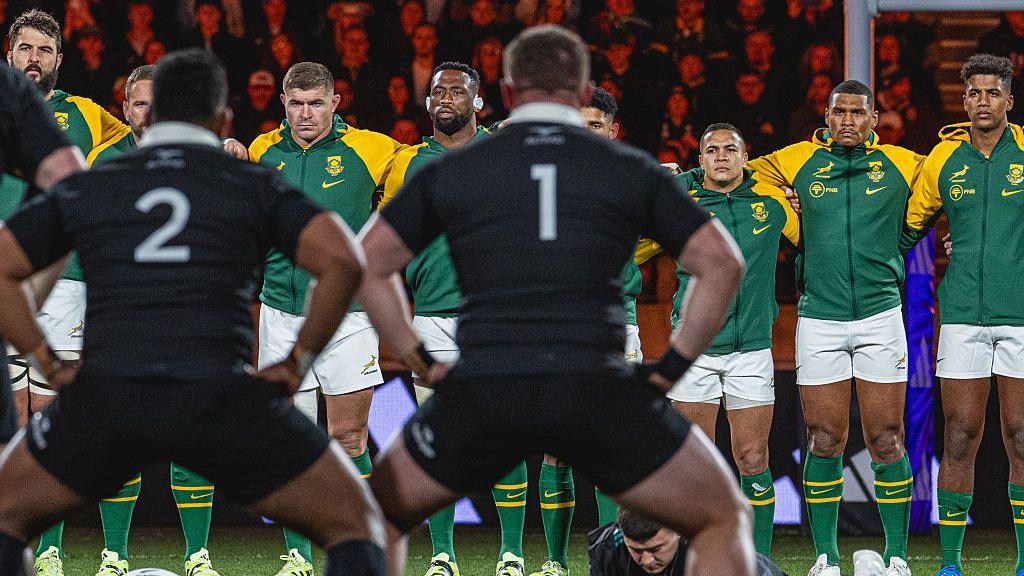
Throughout the same period, the South African team have secured victory in five of the seven meetings between the sides, including success in the recent championship match.
During their pursuit of their most recent continental championship, South Africa inflicted a historic loss on the All Blacks thanks to 36 unanswered second-half points in their home ground, a outcome which has triggered another wave of controversy concerning the progress of the squad under their leader.
Possibly most concerning for fans of the All Blacks will be that, alongside their usual power, South Africa's success has come with an creative approach more typically linked with their traditional rivals.
Playing Philosophy
At the time that the All Blacks were at the height of their powers a decade past, they were a ruthless counter-attacking unit capable of destroying competitors from any part of the pitch and at any moment of the game.
Now, their offensive approach is unclear as their leader, who has awarded numerous first caps during his two years in charge, tries to primarily create the basic building blocks of a winning team.
It has previously announced that the supporting manager responsible for scoring, the current coach, will exit the team after the fall series, becoming the additional person of the coaching staff to depart after Leon MacDonald departed last year after just limited matches.
Team Development
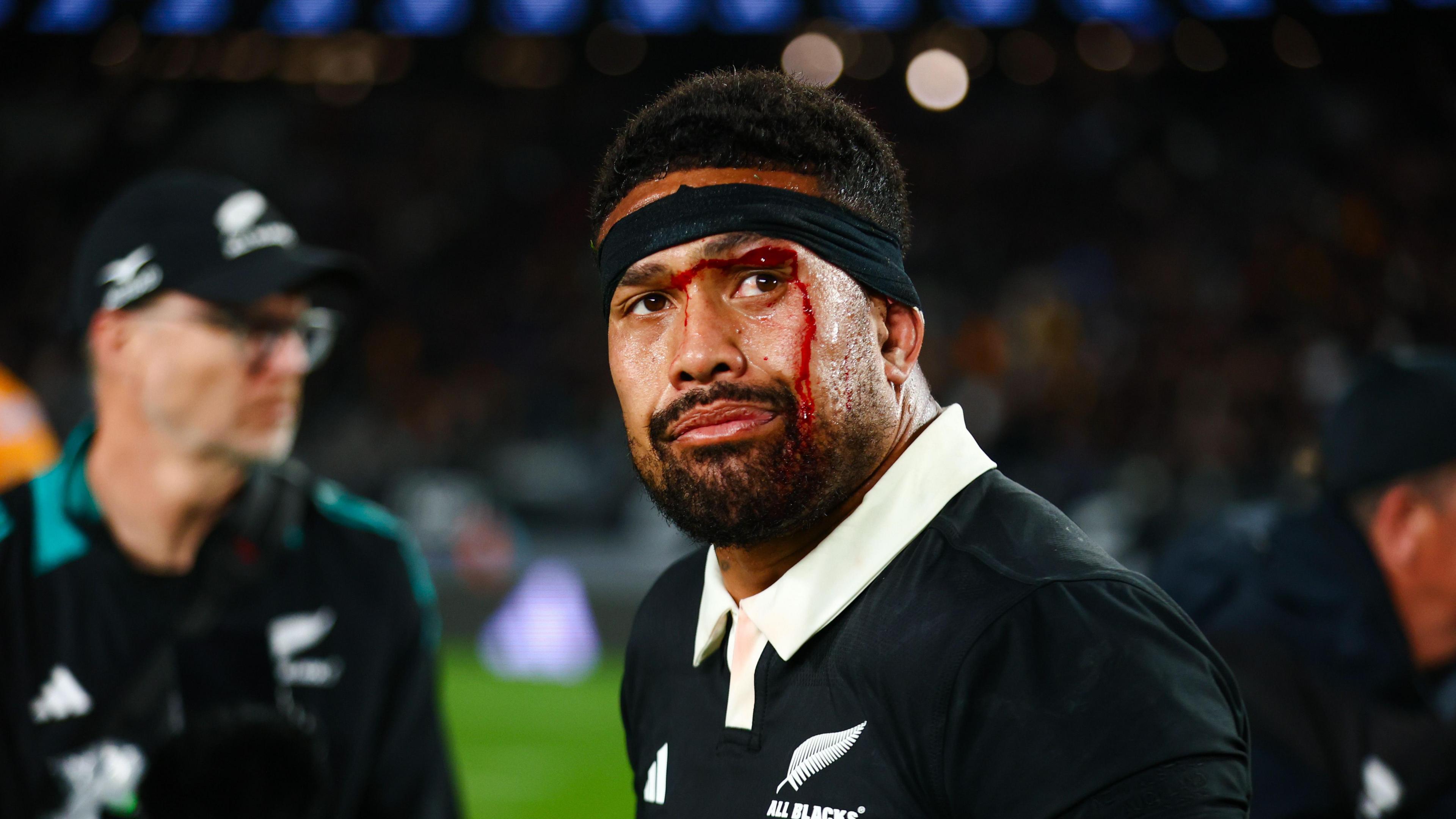
It was not merely previous achievements, but his style, that was predicted to transfer from Crusaders when he took over after the recent tournament but, to date, each remain a ongoing development.
Business Factors
When financial organization investors invested capital in All Blacks in the past, the subsequent announcement mentioned the "pursuit of worldwide growth" for the organization.
That task has possibly been more challenging by the absence of a crossover star. The current captain and the group of related players continue to be well-known figures in the rugby, but the spread of stars has never been spread wider. Their leader is the sole All Black to win international honors in the recent years, in contrast to ten awards in 13 years between the mid-2000s.
Global Expansion
Rather, attempts have been implemented to transplant the All Blacks into previously untapped markets.
The initial stage of this 'Grand Slam' tour brings New Zealand not to Dublin but Chicago, a return to the Soldier Field venue where Ireland achieved a landmark success in the contest during past tours.
Following the relaxation of pandemic limitations, the New Zealand team have furthermore


